
Teeth grinding, also known as bruxism, affects millions of people and often goes unnoticed until jaw pain, headaches, or tooth damage begins to appear. Whether it happens while you’re awake or asleep, grinding can take a toll on your dental and overall health. Fortunately, there are practical ways to reduce or even prevent it. Understanding the causes and making intentional changes can greatly improve comfort, sleep quality, and long-term oral wellness.
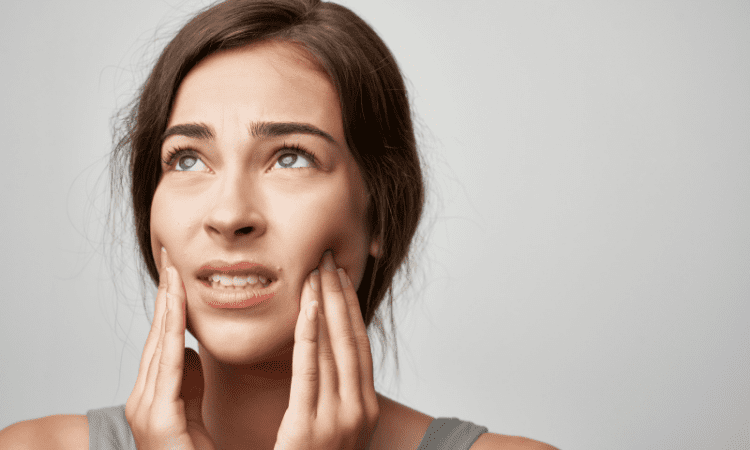
Understanding Why Teeth Grinding Happens
Bruxism can stem from a variety of physical, emotional, and lifestyle factors. Stress and anxiety are among the most common triggers, causing the jaw to clench unconsciously. Sleep disorders, such as sleep apnea, frequently contribute to nighttime grinding. Certain medications, especially those affecting the nervous system, may also play a role. Even lifestyle habits like excessive caffeine or alcohol consumption can increase the likelihood of clenching. Identifying the underlying cause is a key first step in finding an effective solution.
Managing Stress to Protect Your Teeth
Since emotional tension is one of the strongest contributors to teeth grinding, stress management can make a noticeable difference. Practices like deep breathing, meditation, and progressive muscle relaxation help release tension from the jaw and body. Many people also find that exercise, even something as simple as a daily walk, reduces overall stress levels and makes grinding less frequent. Establishing a calming pre-sleep routine can also help ease nighttime clenching. Warm showers, light stretching, and limiting screens before bed all promote a more relaxed state before sleep.
Improving Sleep Habits
Good sleep hygiene can greatly reduce nighttime bruxism. A consistent sleep schedule helps the body regulate tension, while a comfortable sleep environment supports deeper, more restorative rest. Keeping the bedroom cool and dark, avoiding heavy meals and stimulants close to bedtime, and reserving the bed only for sleep can all promote healthier sleep patterns. When the body is well-rested, muscle tension in the jaw tends to decrease, and grinding becomes less common.
Using Mouthguards for Protection
For many people, a custom nightguard from a dental professional is one of the most effective tools for preventing damage from grinding. These guards cushion the teeth and jaw, preventing excessive wear, cracking, and morning pain. While over-the-counter guards are available, a custom-fitted option ensures better comfort and protection. Even though a mouthguard doesn’t stop grinding entirely, it minimizes its harmful effects and often helps train the muscles to relax over time.
Reducing Daily Jaw Tension
Awareness throughout the day can significantly help. Many people clench their jaws without realizing it during periods of concentration or stress. A simple reminder to keep your tongue relaxed, teeth slightly apart, and jaw muscles loose can prevent unnecessary strain. Applying warm compresses to the jaw at the end of the day can also soothe tight muscles, reducing the likelihood of nighttime clenching. Chewing gum, biting nails, or consuming very tough foods can increase muscle activity in the jaw, so reducing these habits can further ease tension.
Seeking Professional Evaluation
If grinding is persistent or causing noticeable discomfort, professional guidance is important. A dentist can assess tooth wear, jaw alignment, and other contributing factors. In some cases, physical therapy or jaw-focused exercises may be recommended to improve muscle balance and relieve symptoms. When stress, anxiety, or sleep disorders are major contributors, working with a mental health professional or sleep specialist can provide deeper, long-term relief.
Treatment for Teeth Grinding in Skokie, IL
At North Shore Periodontics & Implantology, we are dedicated to helping you preserve your oral health. If you experience frequent jaw pain or discomfort, nighttime teeth grinding could be the culprit. Contact our office today to schedule a consultation and learn more about your treatment options for bruxism.